The Bridge Between Japan and the West
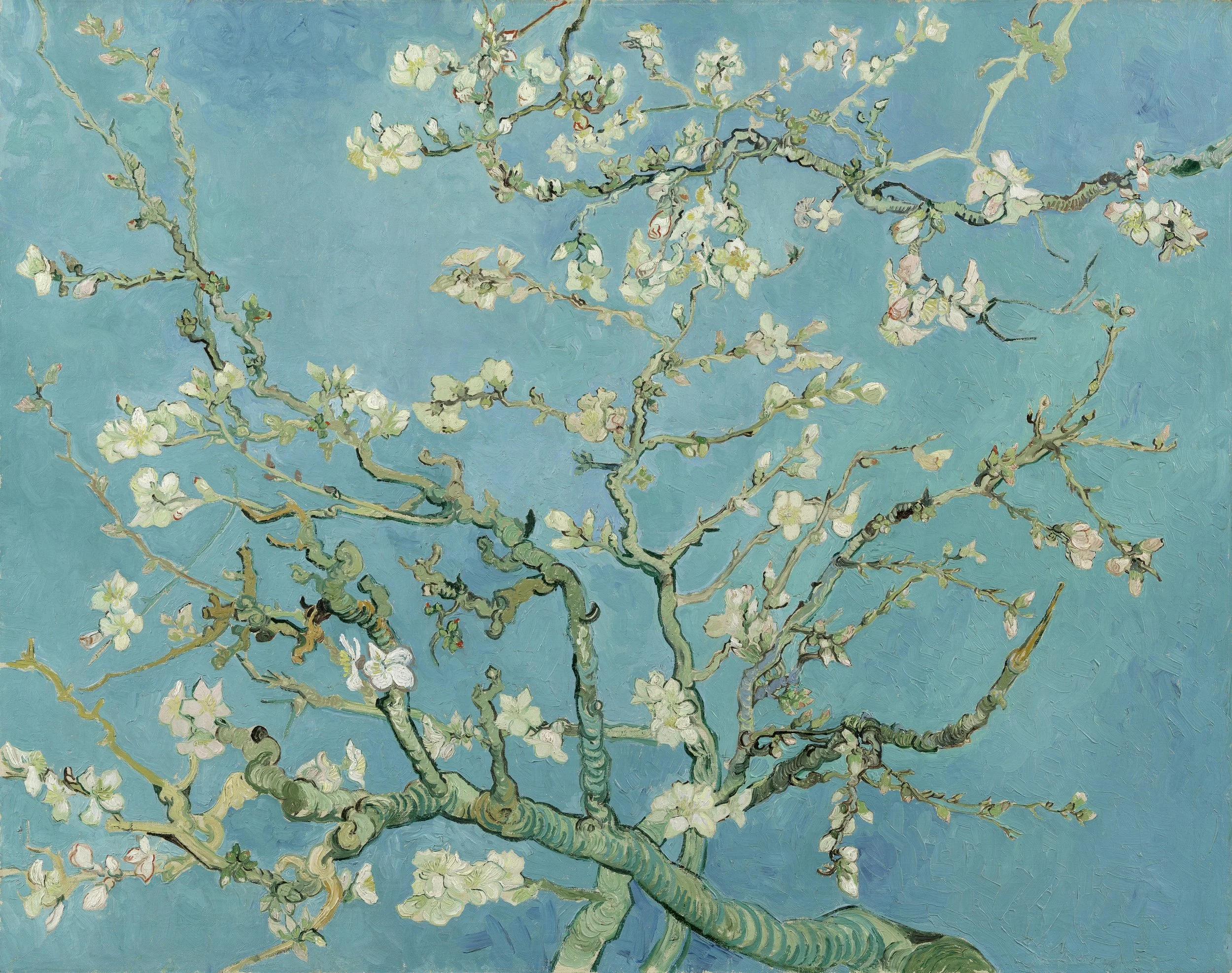
VINVENT VAN GOGH
Almond blossom
1890
73,5 cm x 92,4 cm
Oil on canvas
Japan and Europe in Dialogue
The encounter between East and West profoundly shaped the history of art in the 19th and early 20th centuries. When the first Japanese woodblock prints arrived in Europe in the second half of the 19th century, they met a generation of artists searching for new forms of expression. The clear compositions, flat color areas, and radical perspectives of the Japanese Ukiyo-e masters such as Hokusai and Hiroshige opened the eyes of European artists to a different way of seeing the world.
This inspiration sparked a revolution in European painting: Impressionism rediscovered the fleeting, the atmospheric, and the play of light – liberated from academic conventions.
The influence of Japan also resonated in the subsequent movements of Post-Impressionism and Expressionism. Artists such as Van Gogh, Gauguin, and Matisse adopted formal reduction, decorative flatness, and bold color contrasts to radicalize their own artistic expression.
Today, we view this encounter as a dialogue that extends far beyond questions of form: it represents the fusion of two cultural worlds whose tension and harmony laid the foundation for a new, universal perspective on art.
Japan’s Love for Impressionism
In 2015, the Bundeskunsthalle presented the most significant collections of early modern art from Japan. Until then, it had been largely unknown to the Western public that paintings of the French modernist movement were also collected in the Far Eastern island nation.
-
The Influence of Japanese Art on Abstract Expressionism
Abstract Expressionism is regarded as one of the most important art movements of the 20th century. Less well known, however, is that Japanese art – particularly Zen philosophy and calligraphy – exerted a decisive influence on artists of this movement.
-
Zen Philosophy and Aesthetics
Central ideas of Zen Buddhism – such as emptiness, spontaneity, and meditation – resonated strongly with the Abstract Expressionism. The Japanese ideal of Wabi-Sabi, which values impermanence and imperfection, is also reflected in many of the works.
-
Gesture and Calligraphy
Particularly influential was Japanese Calligraphy. The energetic brushstroke, which combines spontaneity and focus, inspired artists such as Franz Kline and Jackson Pollock. Their large-scale, gestural paintings strongly evoke the expressive power of Brush-and-Ink painting.
-
Emptiness as a Compositional Element
While Western art traditionally emphasizes a fully occupied pictorial space, Japanese artists deliberately employed the space between forms – negative space – as a key compositional element.
-
Mediatiors
A central mediator was Mark Tobey, who studied calligraphy in Japan and China. His “White Writing” technique is considered an important bridge between Asian tradition and American modernism.
-
Shared Mindset
Despite their differences, Japanese art and Abstract Expressionism share remarkably similar sensibilities:
- The artistic process holds equal importance to the completed work.
- Spontaneity and improvisation lie at the heart of creation.
- Art is conceived as an expression of a mental or spiritual disposition.